Cat Anxiety, Aggression & Medication with Dr. Sagi Denenberg
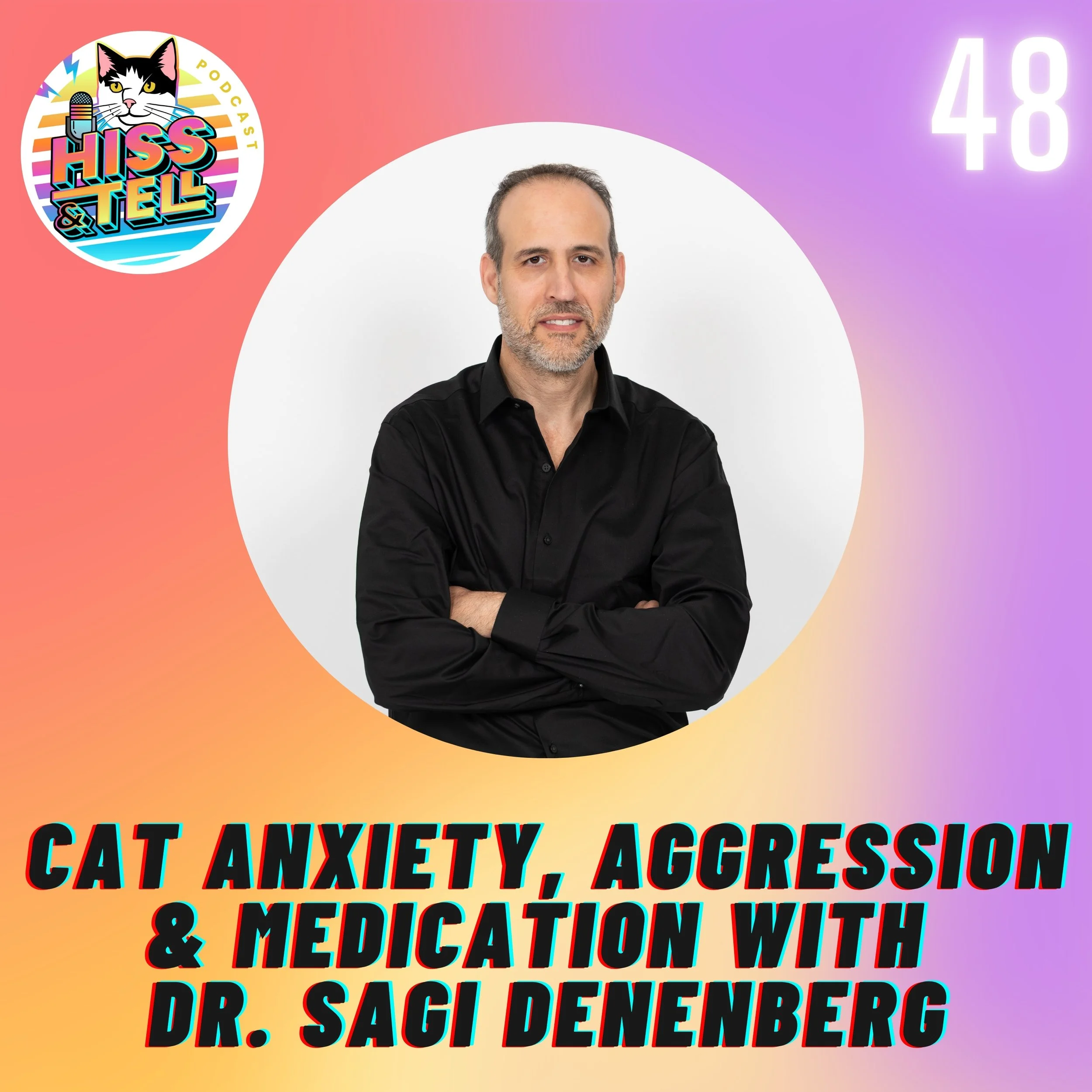
Dr. Sagi Denenberg is a board-certified veterinary behaviour specialist with extensive international experience across clinical practice, academia, and research. He is a Diplomate of both the American College of Veterinary Behaviorists and the European College of Animal Welfare and Behavioural Medicine. Additionally, he is an RCVS Recognised Specialist in Veterinary Behaviour Medicine, a Certified Companion Animal Behaviourist, and a member of the Australian and New Zealand College of Veterinary Scientists.
As the owner of the North Toronto Veterinary Behaviour Specialty Clinic, Dr. Denenberg provides complex behavioural consultations, legal expert opinions, and global mentorship for residents and veterinary students. His academic contributions include teaching at St. Matthew’s University and previously at the University of Bristol.
An accomplished author and editor, Dr. Denenberg edited the textbook Small Animal Veterinary Psychiatry and serves as an Associate Editor for the Journal of Veterinary Behavior. He has authored numerous peer-reviewed papers and prominent book chapters, including contributions to the Merck Veterinary Manual, BSAVA Manual, and Five-Minute Veterinary Consult.
Cat aggression, overgrooming, and litter box “problems” are easy to label and surprisingly hard to solve, especially when we treat the behavior as the diagnosis. We sit down with veterinary psychiatrist Dr. Sagi Dennenberg to get underneath the label and into what’s actually driving the cat’s behaviors: fear, anxiety, frustration, learned patterns, pain, and even underdiagnosed skin disease.
We talk about why behavior and physical health are inseparable in cats, including how stress can skew vital signs and lab results and why “my cat is not herself” can be an early warning sign before anything obvious shows up on an exam. Sagi explains what a true behavioral diagnosis looks like, why home observation and video can reveal subtle pain, and how clinicians can avoid the trap of calling something “psychogenic” too quickly.
Then we demystify psychoactive medications for cats. We cover what meds can realistically do (normalize biological behaviors and lower emotional intensity) and what they cannot do (teach skills or replace behavior modification). You’ll hear how diagnosis guides medication choice, what to expect from SSRIs like fluoxetine, how to think about timelines and tapering, and why many “side effects” are actually a return to normal sleep and eating patterns. We also get practical about dosing challenges, including when transdermal medications may help and when they can backfire, especially in multicat homes.
If you’ve felt unsure about cat behavior meds, worried about side effects, or stuck with an ongoing behavior issue, this conversation will give you a clearer framework and more confidence in your next steps.
Further Info
Tools for Managing Feline Problem Behaviors and Psychoactive Medications
Listen to full episode :