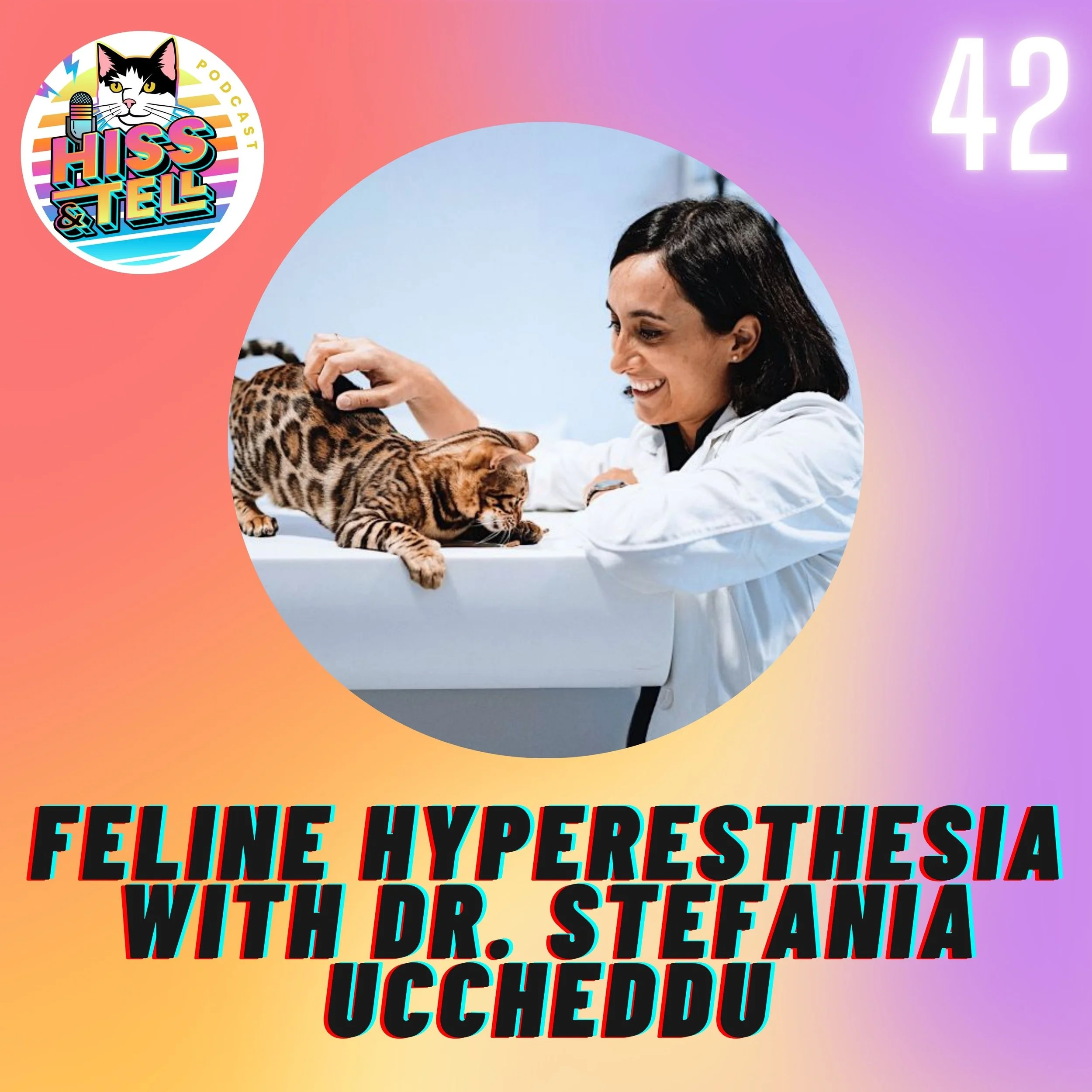
Dr. Stefania Uccheddu holds a degree in Veterinary Medicine from the University of Sassari (Italy). She completed two postgraduate degrees: an MSc in Ethology from the University of Cordoba (Spain) and an MSc in Behavioural Medicine from the University of Parma (Italy). She also holds a PhD in Reproductive Physiology and Animal Welfare. She currently works at the San Marco Veterinary Clinic and Laboratory in Veggiano (Padua, Italy), where she serves as the coordinator of the Animal Behavioural Medicine and Welfare Service. Her clinical activity focuses on veterinary behavioural medicine, with a particular interest in promoting the welfare of companion animals during clinical visits and hospitalization. Her research interests include the assessment of normal and abnormal behaviour in domestic animals, as well as strategies to improve dog and cat welfare within the human-animal bond and veterinary settings. Dr. Uccheddu is a Diplomate of the European College of Animal Welfare and Behavioural Medicine (ECAWBM) and a member of the iCatCare Feline Wellbeing Panel. She is the author of several peer-reviewed scientific publications and contributes regularly to national and international conferences as a speaker.
A cat’s skin ripples, the tail whips, and suddenly the whole house feels on edge. We sit down with Dr. Stefania Uccheddu, a veterinary behaviorist and diplomate of the European College of Animal Welfare and Behavioral Medicine, to decode feline hyperesthesia - a condition that blurs the boundaries between neurology, dermatology, and behavior.
We share what caregivers actually see - rolling skin, flank licking, tail chasing, self-directed aggression - and why these events often ride a wave of predatory frustration and low resilience. Drawing on Dr. Uccheddu's long-term study, we compare three practical paths: medication alone, behavior modification, and their combination.
The headline: both meds and behavior change work, but environmental and behavioral adjustments drive stronger long-term stability. Gabapentin offers fast relief for sensory-pain arousal; fluoxetine supports emotional regulation. Used together with targeted enrichment, they give sensitive cats a calmer baseline and a safer way to live in busy human homes.
If you’re navigating hyperesthesia, this conversation delivers a blueprint. We walk through the five pillars of a cat-friendly home, consent-based handling, and play that mimics prey from stalk to catch. You’ll hear how to identify and defuse triggers, create quiet retreats, use puzzle feeders to channel focus, and prevent episodes before they crest.
We also unpack early socialization gaps, orphaned kittens, and why modern indoor life can overwhelm genetically sensitive cats - plus how to taper medication after a stable year and keep gabapentin as an “emergency kit” for moves, visitors, and big changes.
Come for the science, stay for the hope. With careful observation, smart enrichment, and humane use of medication, even severe cases can turn the corner. If this helped you or someone you know, subscribe, leave a review, and share your cat’s biggest trigger - we’ll feature tips and updates in future Ask the Behaviorist segments.
Listen to full episode :